Tamjanika: Aromatic White Wine and Where to Taste It
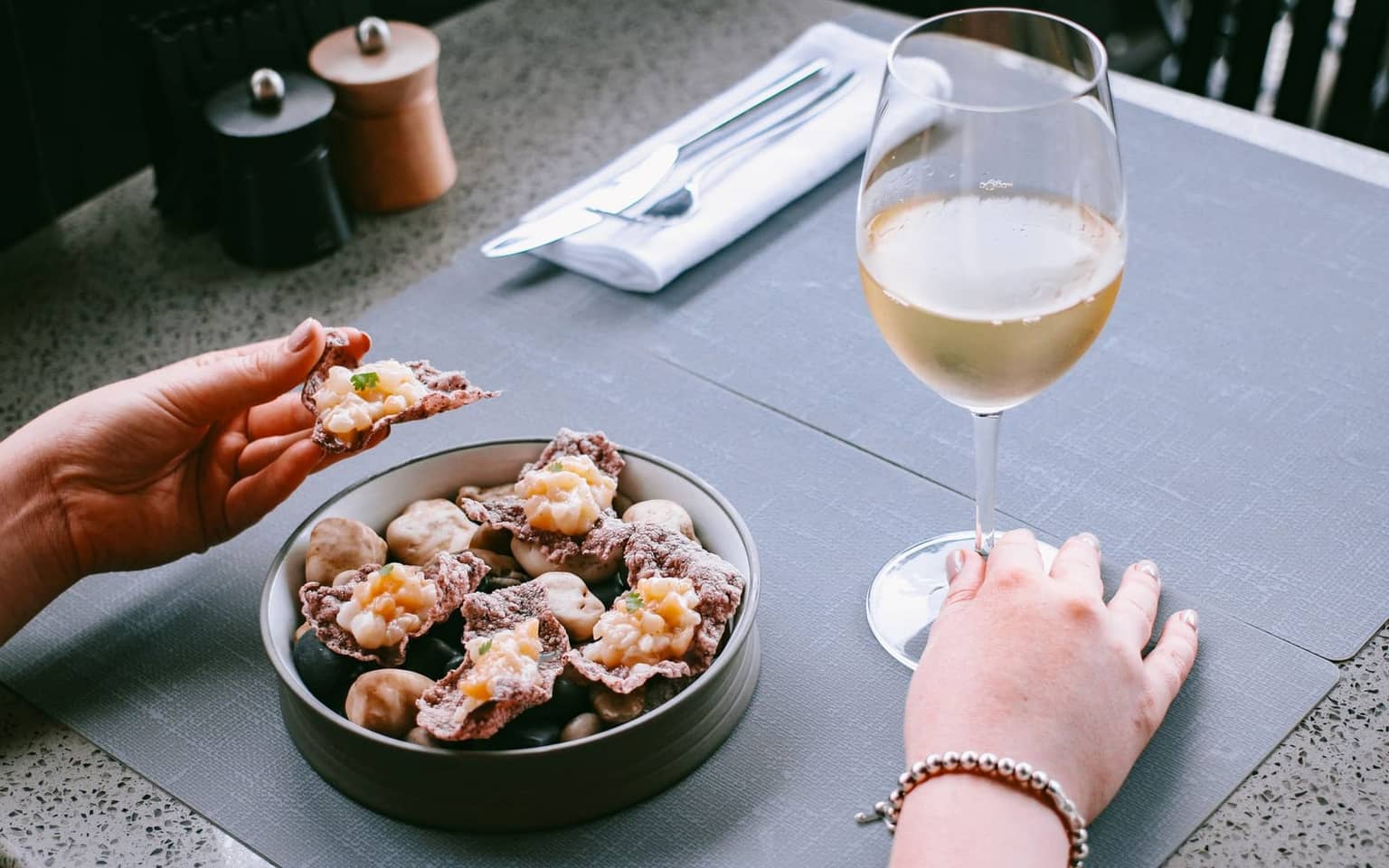
Tamjanika is Serbia’s intensely aromatic expression of Muscat Blanc. In Serbia it is commonly made as a dry, fresh white wine, with floral, citrus and ripe-fruit aromas that can seem sweet even when the wine contains little residual sugar.
What is Tamjanika?
Tamjanika is the Serbian local expression and name for the widely travelled Muscat Blanc family, rather than proof that every Muscat vine originated in Serbia. What makes the wine distinctively Serbian is its long local history, vineyard setting and the country’s preference for dry, energetic styles.
The name is associated with tamjan—incense—which gives a useful clue to its perfumed character. Do not confuse white Tamjanika with Crna Tamjanika, a rare dark-skinned grape used for red or rosé wine.
What does it taste like?
Tamjanika is one of the easiest Serbian whites to recognise by aroma. Common notes include:
- jasmine, elderflower and orange blossom;
- lemon peel, mandarin and sometimes tropical fruit;
- grape, peach and fresh herbs;
- bright acidity in well-balanced dry versions.
The fragrance does not automatically mean sweetness. Check the label or ask whether the wine is dry, off-dry or sweet. Still, sparkling and late-harvest interpretations also exist, so Tamjanika can be a useful mini-tasting theme by itself.
Where is Tamjanika grown?
The variety is closely associated with Župa, around Aleksandrovac, and is also important in Toplica and the Three Moravas area. Today it appears much more widely: Šumadija, Belgrade, Negotin Valley, Srem and other Serbian wine regions all have examples.
For a concentrated trip, explore the Župa & Three Moravas route. If you are staying in the capital, the Belgrade wine day-trip guide offers a more convenient starting point.
Where can visitors taste Tamjanika?
Active profiles that currently list Tamjanika and tastings include:
- Vinarija Budimir, Vinska Kuća Minića and Podrum vina Todor in the Three Moravas area;
- Vinarija Doja in Toplica;
- Vinarija Škrbić near Belgrade;
- Francuska Vinarija Rogljevo in the Negotin Valley.
Ask what style is being poured: dry, sparkling, late harvest or a blend. Winery ranges and visiting arrangements change, so confirm the tasting and opening time before setting out.
Food pairing and serving
Dry Tamjanika works well as an aperitif and with fresh cheese, salads, grilled vegetables, river fish, mild Asian spices and lighter poultry dishes. Its perfume can handle aromatic herbs, but very sweet sauces may make a dry wine seem sharp. Serve most dry versions well chilled, around 8–10°C, then let the wine warm slightly in the glass so the aroma opens.
How to order confidently
Ask two questions: Is it dry? and Is it still or sparkling? If you usually enjoy Sauvignon Blanc for its fragrance, Tamjanika may feel more floral and grapey. If you prefer neutral whites, order it by the glass first. For a useful comparison, taste a fresh stainless-steel version beside a sparkling or late-harvest example.
Quick answers
Is Tamjanika always sweet? No. Serbia is particularly known for dry, fresh Tamjanika.
Is it the same as Muscat? It belongs to the Muscat Blanc tradition and is the established Serbian local name/expression.
Can I visit without booking? Do not assume so. Contact the winery and confirm both the visit and the specific wine.
Sources
Continue planning
Turn this story into a Serbian wine trip
Use these practical guides and live winery listings to choose your next stop. Confirm visits directly before travelling.
Find wineries making Tamjanika
Search current winery profiles for this aromatic white grape.
Continue planningŽupa and the Three Moravas
Explore the traditional wine country around Aleksandrovac.
Continue planningWine tastings and tours
Find wineries that welcome visitors and learn what to confirm before booking.
Continue planning