Grašac Beli: The Serbian White Grape Guide
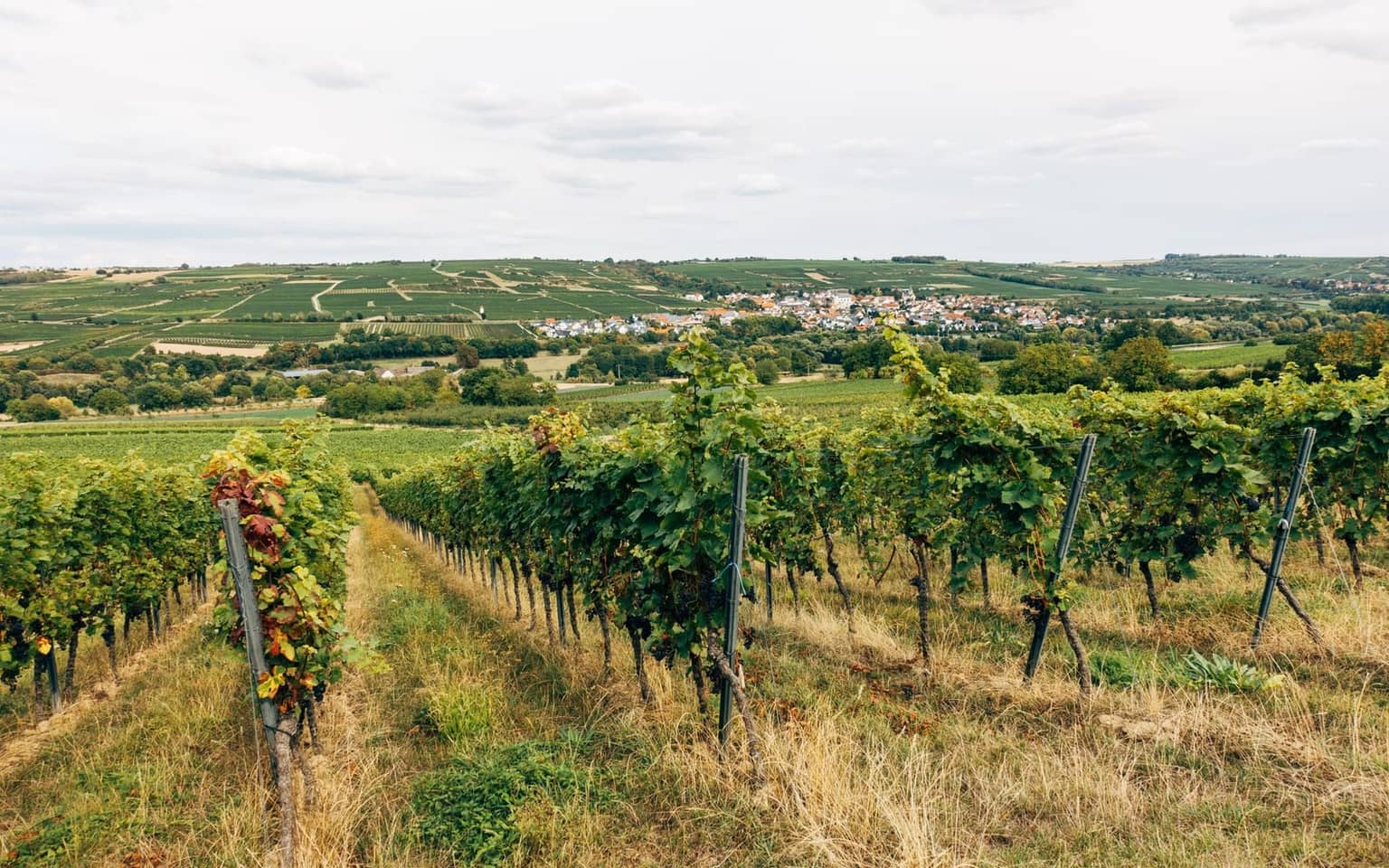
Grašac Beli is the historic Serbian, especially Vojvodina, name for the white grape internationally known as Welschriesling. It is not Riesling and it is not a uniquely Serbian genotype, but centuries of cultivation and a strong modern identity on Fruška Gora make it central to Serbia’s white-wine story.
What is Grašac Beli?
The naming can be confusing. In other countries the same cultivar may appear as Welschriesling, Graševina, Riesling Italico or Italian Riesling. A 2024 genetic study of old Serbian vineyards explicitly identifies Grašac as Vojvodina’s local synonym for the white-berried Welschriesling cultivar. Historical records cited in that study mention Beli Grašac on Fruška Gora in 1816, supporting continuous local cultivation over centuries.
So why call it Grašac Beli? Because the local name carries regional history and tells you where the wine’s modern Serbian revival is happening. It should still not be marketed as an indigenous Serbian grape in the strict genetic sense.
What does it taste like?
Grašac Beli changes markedly with yield, ripeness and winemaking. Typical dry examples may show:
- green or yellow apple, pear and citrus;
- ripe orchard fruit in fuller versions;
- pollen, herbs, hay or a gently bitter finish;
- refreshing acidity and a food-friendly, savoury line.
Simple bottles can be light and direct. Ambitious versions from selected sites may be richer, textured or lees-aged; some producers also make sparkling or skin-contact interpretations. The grape’s value lies in versatility rather than one dramatic aroma.
Where is its Serbian heartland?
The clearest destination is Fruška Gora and Srem, south of Novi Sad and close enough for a day trip from Belgrade. Vineyards, monasteries, the Danube landscape and the wine towns around Sremski Karlovci make it easy to combine wine with culture and nature.
Use our Fruška Gora, Danube & Srem route to plan stops. The interactive map helps check distances, while winery profiles link onward to current contact and map information.
Where can visitors taste Grašac Beli?
Active profiles that list Grašac Beli and tastings include:
- Vinarija Vinum and Vinarija Verkat;
- Podrum Šukac and Vinarija Mrđanin;
- Tri Međe i Oblak and Vinarija Veritas Ćuković.
All are useful starting points, not guarantees of a particular bottle on a particular day. Contact the winery before travelling, request a reservation and ask whether its current Grašac is part of the tasting.
Food pairing and serving
Fresh Grašac is versatile with food: river fish, fried fish, grilled vegetables, roast chicken, pork, creamy fresh cheese and simple pasta all work well. More textured versions can handle mushroom dishes, veal or richer sauces. Serve young dry wines around 8–11°C; fuller bottles can be slightly warmer. Avoid over-chilling if you want to notice its herbal and savoury detail.
How to read the label
Look for Grašac Beli first, then check the back label for synonyms such as Welschriesling or Italian Riesling. Do not mistake it for Rhine Riesling (Rajnski rizling), which is a different grape. Vintage, alcohol level and mentions of lees, barrel or skin contact give useful clues about whether the style will be crisp, broad or more experimental.
Quick answers
Is Grašac Beli indigenous to Serbia? Not in the strict genetic sense. It is Welschriesling under a historic Serbian regional name, with centuries of local cultivation.
Is it the same as Riesling? No. Rhine Riesling is a different grape.
Where should I start? Fruška Gora and Srem offer the strongest combination of Grašac producers and visitor attractions.
Sources
Continue planning
Turn this story into a Serbian wine trip
Use these practical guides and live winery listings to choose your next stop. Confirm visits directly before travelling.
Find wineries making Grašac Beli
Search winery profiles for producers working with Grašac Beli.
Continue planningFruška Gora and Srem
Plan a route through Sremski Karlovci, Irig, Banoštor and the Danube slopes.
Continue planningWine tastings and tours
Find wineries that welcome visitors and learn what to confirm before booking.
Continue planning