Prokupac: Serbia’s Indigenous Red Grape
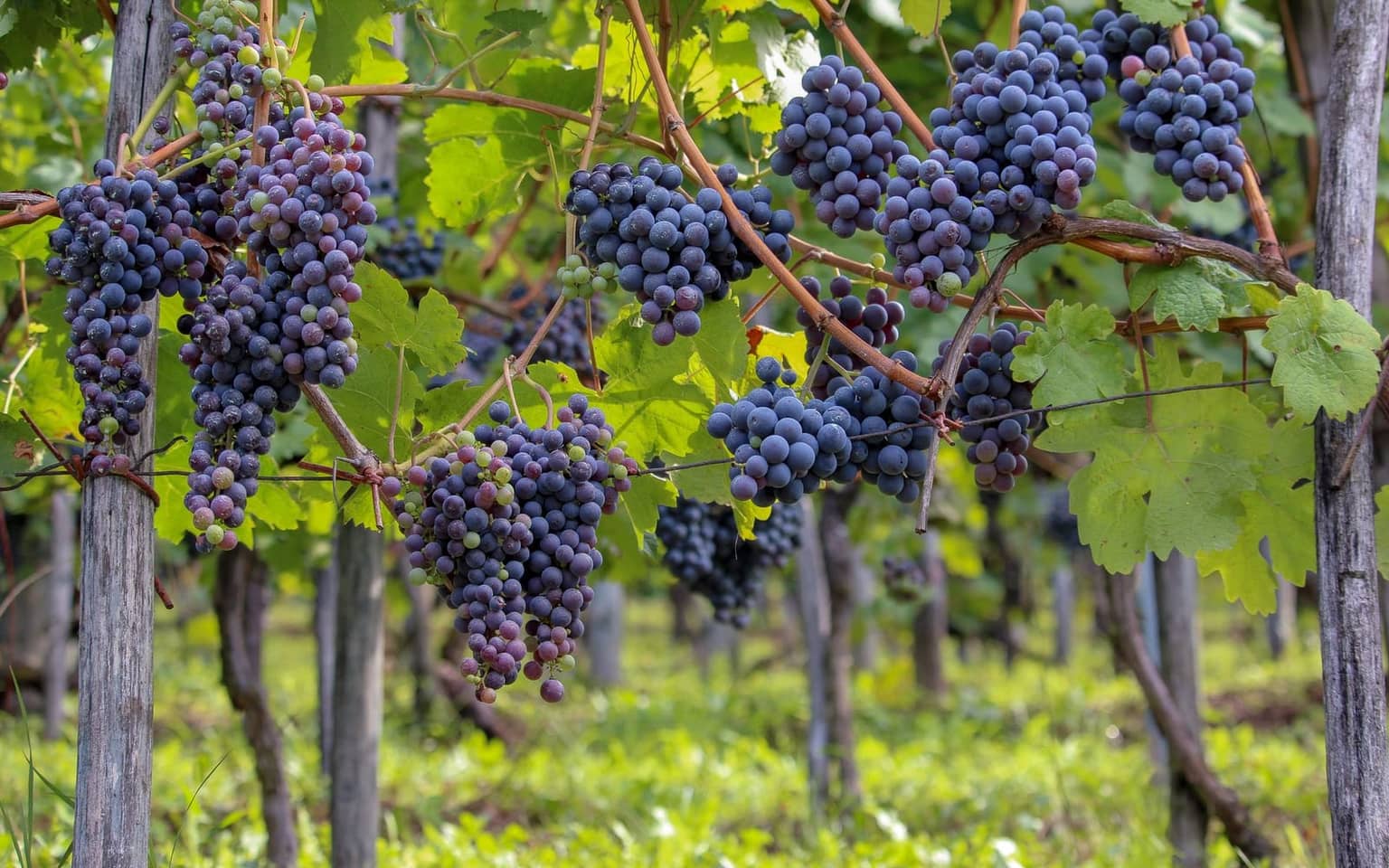
Prokupac is Serbia’s signature indigenous red grape. It can produce anything from bright rosé to serious, age-worthy red wine, but its most recognisable dry reds combine sour cherry and dark berry fruit with peppery spice, lively acidity and firm tannins.
What is Prokupac?
Prokupac is an old Serbian variety rather than a local name for an international grape. A 2024 genetic study describes it as an ancient Serbian cultivar and found it at the start of a multi-generation Balkan family line. The same research notes that it is now grown throughout Serbia, although it still represents a relatively small share of the country’s vineyards.
That combination—deep local roots and modern scarcity—is why Prokupac matters. Producers have moved beyond its former role in simple blends and now bottle single-variety wines, vineyard selections, rosés and occasional barrel-aged examples.
What does Prokupac taste like?
Style depends on site, harvest date and winemaking. A useful tasting compass is:
- sour cherry, blackberry and cranberry;
- black pepper, dried herbs and warm spice;
- fresh to pronounced acidity;
- medium to firm tannins, especially in structured reds.
Young, unoaked bottles can be juicy and energetic. Riper fruit, lower yields and oak can produce deeper wines with more texture and savoury complexity. Prokupac is not one fixed flavour profile, so compare two producers if you can.
Where does it grow?
Prokupac is associated especially strongly with Župa and Toplica in southern and central Serbia. Župa, around Aleksandrovac, is one of the country’s historic wine landscapes; Toplica includes vineyards around Prokuplje, whose name is closely connected with the grape in Serbian wine culture. You will also find modern examples in Šumadija, Three Moravas, Negotin Valley and other regions.
Start with our Župa & Three Moravas route, then use the interactive winery map to build a practical itinerary.
Where can visitors taste Prokupac?
Current Serbian Wine profiles list Prokupac wines and tastings at several active wineries, including:
- Vinarija Budimir and Vinska Kuća Minića in the Three Moravas area;
- Vinarija Doja in Toplica;
- Vinarija Temet and Vinarija Despotika in central Serbia;
- Vinarija Matalj in the Negotin Valley.
Wine ranges and visitor hours change. Contact the winery before travelling and ask specifically whether its Prokupac is included in the tasting flight. Our tastings and tours guide explains what else to confirm.
Food pairing and serving
Prokupac’s acidity and tannin make it a natural partner for grilled meat, ćevapi, roast pork, lamb, smoked dishes and mushroom-based food. Fresher examples also work with burgers, tomato-rich dishes and semi-hard cheeses. Serve lighter styles around 14–16°C and structured reds around 16–18°C; a short spell in a decanter may help a young, tannic bottle.
How to choose a bottle
Look for the grape name Prokupac on the label. “100% Prokupac” points to the clearest varietal comparison, while a blend can show how it works with grapes such as Cabernet Sauvignon or Merlot. Ask whether the wine is unoaked, barrel-aged or a reserve: that often tells you more about weight and texture than price alone.
Quick answers
Is Prokupac the same as Vranac? No. They are different red varieties.
Is all Prokupac heavy? No. It ranges from rosé and fresh, fruit-led reds to concentrated, tannic wines.
Do I need an appointment? Usually yes. Many Serbian wineries are small, and a listed tasting does not guarantee walk-in availability.
Sources
Continue planning
Turn this story into a Serbian wine trip
Use these practical guides and live winery listings to choose your next stop. Confirm visits directly before travelling.
Find wineries making Prokupac
Open a live winery search for Serbia’s indigenous red grape.
Continue planningŽupa and the Three Moravas
Explore the traditional wine country around Aleksandrovac.
Continue planningŠumadija wine route
Build a trip around Topola, Oplenac and central Serbia’s vineyard estates.
Continue planning